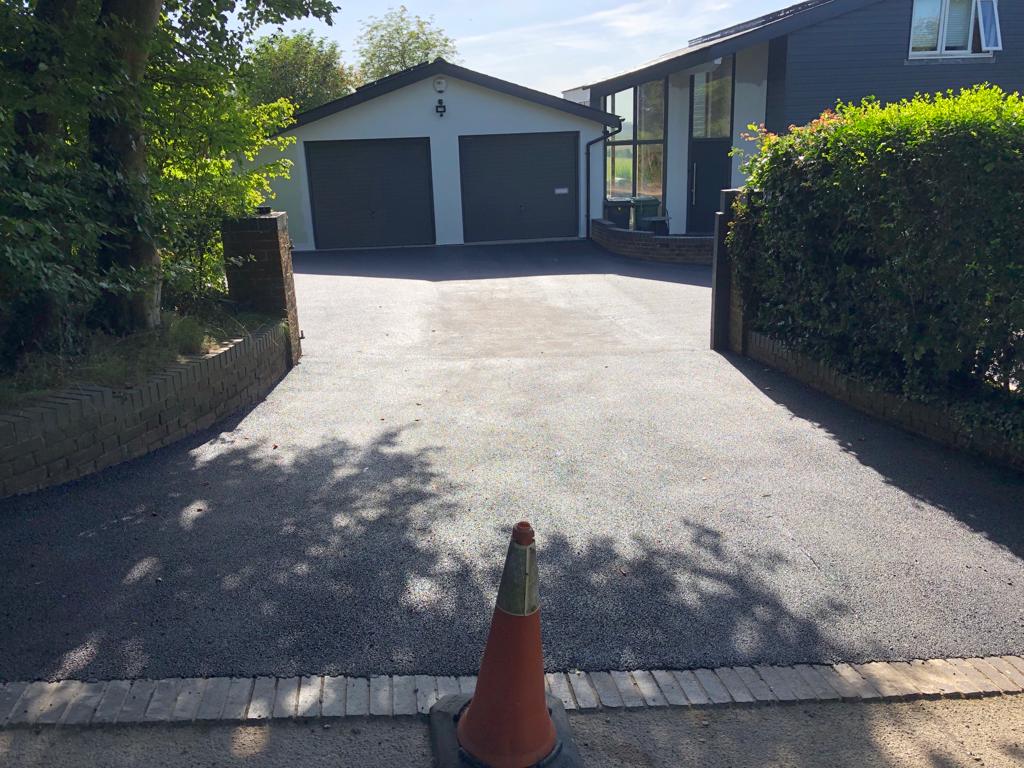
Asphalt and bitumen surfaces around Gympie are exposed to ongoing traffic loads, weather conditions, and natural ageing. Over time, this leads to surface deterioration that may require intervention. Two of the most common solutions are pothole repairs and full resurfacing, but each serves a very different purpose. Knowing when each option is appropriate is essential for maintaining safe, durable, and cost-effective surfaces.
At Gympie Surfacing Solutions, the focus is on matching the right treatment to the condition of the pavement, ensuring repairs deliver long-term performance rather than short-term fixes.
When Pothole Repairs Are the Right Solution
Pothole repairs are typically suitable when damage is localised and the surrounding pavement structure remains largely sound. These repairs address areas where moisture and traffic have caused isolated surface failure.
Professional pothole repair involves removing weakened material, stabilising the base, and reinstating the asphalt or bitumen surface. When carried out correctly, this restores structural strength and prevents the damaged area from spreading.
Pothole repairs are most effective when surface deterioration is limited to specific sections rather than widespread across the entire area.
When Full Resurfacing Becomes Necessary
Full resurfacing is required when surface deterioration is extensive or consistent across a large area. This may include widespread cracking, surface deformation, loss of texture, or multiple recurring potholes.
In these cases, patch repairs alone are unlikely to provide lasting results. Resurfacing renews the entire wearing course, restoring surface integrity and improving overall performance across the pavement.
For high-use areas in Gympie, resurfacing helps reset the surface condition and provides a uniform, reliable finish that supports ongoing traffic demands.
Key Factors That Influence the Decision
Several factors determine whether pothole repairs or full resurfacing is the most appropriate solution. These include the extent of damage, underlying pavement condition, traffic levels, and drainage performance.
If the base layers remain stable and damage is confined, targeted pothole repairs may be sufficient. However, if moisture penetration and cracking are widespread, resurfacing is often the more effective long-term option.
The Risk of Choosing the Wrong Approach
Applying patch repairs to a surface that has reached the end of its service life often leads to repeated failures. Likewise, resurfacing a surface that only requires minor repairs may be unnecessary.
Professional assessment ensures the chosen solution aligns with the actual condition of the pavement rather than relying on appearance alone.
A Strategic Approach to Surface Management
Effective pavement management involves addressing issues at the right time. Early intervention with pothole repairs can extend the life of a surface, while timely resurfacing prevents deeper structural damage from developing.
Gympie Surfacing Solutions applies a strategic, condition-based approach to asphalt and bitumen maintenance, ensuring each surface receives the treatment that best supports long-term performance.
Conclusion
Pothole repairs and full resurfacing serve different purposes and are suited to different stages of pavement deterioration. Localised damage can often be resolved with professional pothole repair, while widespread wear calls for full resurfacing to restore surface integrity.
For property owners and site managers in Gympie, Gympie Surfacing Solutions provides professional assessment and surfacing services designed to deliver durable, reliable outcomes. Get in touch to discuss the condition of your surfaces and determine the most effective solution for long-term performance.
Call us on: 07 4158 7474
Click here to find out more about Gympie Surfacing Solutions
Click here to complete our contact form and see how we can help with your surfacing needs