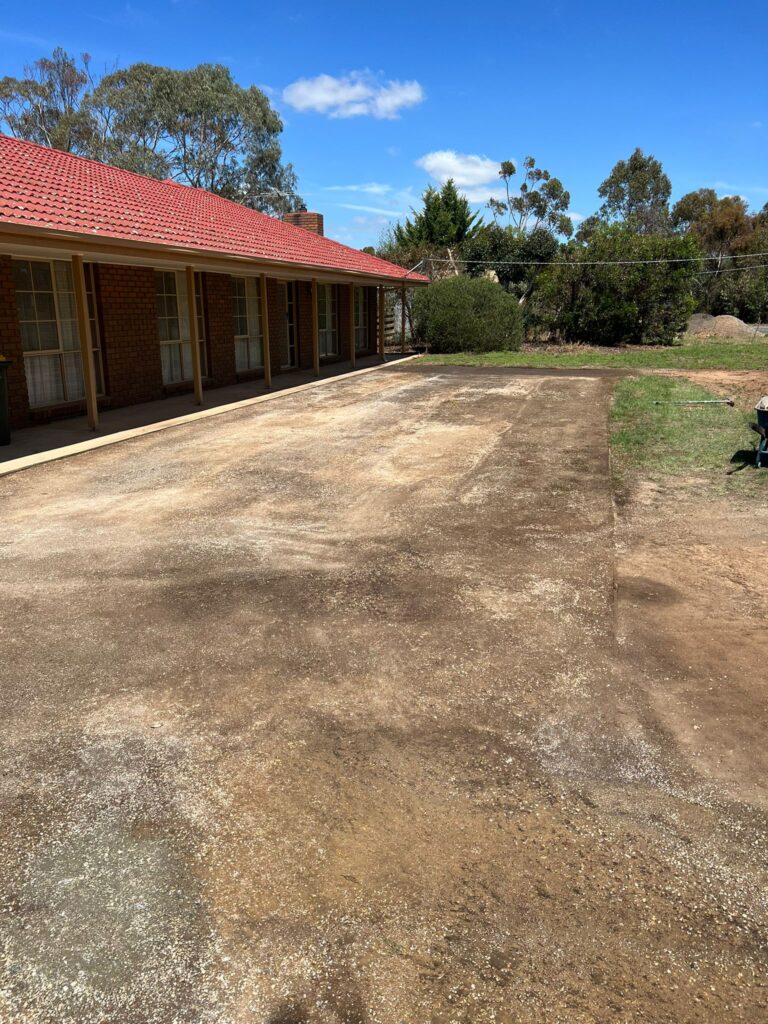
A small pothole in an asphalt driveway, road or parking area may not initially seem like a serious problem. However, even minor surface damage can gradually develop into a much larger defect when exposed to regular traffic, rainfall and continued pavement deterioration. Knowing when to arrange professional pothole repairs can help prevent damage from spreading into surrounding asphalt that is still in good condition.
For property owners and businesses in Gympie, QLD, the best time to address a pothole is generally when the damage is still localised and the surrounding pavement remains stable. Early assessment allows the underlying cause to be identified and an appropriate repair completed before the affected area becomes more extensive.
Why Should Potholes Be Repaired Early?
Potholes rarely remain exactly the same size once the pavement begins breaking apart. Vehicle tyres repeatedly strike the damaged edges, loosening additional asphalt and exposing more of the supporting pavement underneath.
Rainwater can also enter through the opening, potentially weakening the road base and allowing further movement beneath the surface.
As deterioration progresses, a small pothole can become wider, deeper and more difficult to repair without disturbing surrounding pavement.
Professional pothole repairs aim to remove failed material, restore adequate support and reinstate a stable wearing surface before the damage affects a larger section.
1. When the Pothole First Begins to Form
One of the best opportunities to prevent further deterioration is when the first signs of a pothole become visible.
Early indications may include a shallow depression, a small opening in the asphalt or loose aggregate beginning to separate from the surface.
At this stage, the surrounding pavement may still be structurally sound.
Having the defect assessed early can help determine whether a straightforward localised repair is suitable. Where the foundation remains stable, addressing the damaged section promptly can help preserve the surrounding asphalt.
Waiting until the opening becomes substantially larger allows traffic and water more opportunities to accelerate deterioration.
2. When Cracks Begin Appearing Around the Edges
Cracking around a pothole is an important warning sign because it can indicate that deterioration is extending beyond the visible opening.
As the asphalt loses support, stresses from passing vehicles can cause cracks to spread outward.
These cracks also provide additional pathways for water to enter the pavement.
If the surrounding asphalt begins separating into smaller sections, the repair may need to cover a larger area than the pothole itself.
A professional contractor can assess the full extent of the damaged pavement and determine where stable material begins.
3. When Loose Asphalt Starts Breaking Away
A pothole with loose or crumbling edges is likely to continue deteriorating under traffic.
Each vehicle passing over the damaged area can dislodge additional material. As the edges weaken, the opening gradually expands.
This process can occur even when the original pothole was relatively small.
Loose material should not simply be covered without appropriate preparation. A reliable repair requires the deteriorated asphalt to be addressed so the new material is supported by sound pavement.
Repairing the area before substantial edge breakup occurs can help limit the extent of the damage.
4. When Water Begins Collecting Inside the Pothole
Standing water is another reason to arrange an assessment promptly.
A pothole naturally creates a depression where rainfall can accumulate. If cracks or exposed pavement materials allow water to penetrate beneath the asphalt, the supporting layers may become less stable.
Vehicle traffic can then place repeated loads on the moisture-affected section, causing further movement and surface failure.
For asphalt surfaces in Gympie, water movement should be considered when investigating potholes, particularly where defects repeatedly develop in low areas.
An effective repair may need to address both the damaged pavement and the conditions allowing water to collect.
5. When Vehicles Regularly Travel Over the Damaged Area
The position of a pothole can be just as important as its size.
A small defect in a frequently used wheel path may deteriorate more quickly than a similar defect in an area receiving very little traffic.
Repeated tyre contact places additional stress on the weakened asphalt.
Potholes in entrances, access roads, turning areas and regular parking positions can therefore deserve earlier attention.
Where vehicles repeatedly brake or turn over the same damaged section, the surrounding pavement may experience additional stresses that contribute to deterioration.
6. When the Surface Around the Pothole Begins Sinking
A pothole accompanied by settlement can indicate that the problem extends into the pavement foundation.
If supporting material underneath has weakened or moved, the asphalt above may begin sinking.
This can create an uneven surface and place additional stress on the edges of the damaged area.
In these circumstances, filling the visible opening may not be sufficient.
The affected pavement may need to be removed so the underlying condition can be assessed. Where necessary, unstable material can be corrected and compacted before the asphalt is reinstated.
Addressing the foundation is important when the aim is to prevent recurring deterioration.
7. When Several Small Potholes Appear Close Together
Multiple potholes developing within a relatively small area can indicate that deterioration is affecting a larger section of pavement.
Although each opening may appear minor, the asphalt between them could already contain cracks or weakened material.
Repairing every hole individually may not always be the most suitable approach.
A professional assessment can determine whether the defects are genuinely isolated or connected by a broader area of pavement weakness.
Where the surrounding asphalt has deteriorated, reconstructing the affected section may provide a more appropriate solution.
8. When a Previous Pothole Repair Begins Failing
A pothole that returns after being repaired should be investigated rather than repeatedly treated as a new surface defect.
Recurring damage can indicate that the original cause remains unresolved.
Possible contributing factors include:
- Weak or unstable pavement foundations
- Water penetration
- Inadequate drainage
- Continuing settlement
- Deterioration around the repair edges
- Repeated heavy vehicle loading
- Insufficient support beneath the repaired section
A more thorough repair may be required if the foundation continues moving or the surrounding pavement is no longer stable.
Identifying why the repair failed helps determine the appropriate treatment.
How Quickly Can a Small Pothole Become Larger?
There is no fixed timeframe for pothole deterioration.
The rate at which damage spreads depends on several factors, including traffic frequency, vehicle loads, moisture exposure, pavement condition and the stability of the supporting foundation.
A small pothole on a lightly used surface may change gradually, while one located in a heavily trafficked or water-affected section may deteriorate more rapidly.
This is why pothole size alone should not determine whether repairs are needed.
The location, surrounding cracks, depth of damage and evidence of pavement movement are often more useful indicators.
Why Is It Important to Repair More Than the Visible Hole?
The opening visible at the surface does not always represent the complete extent of pavement deterioration.
Loose material, cracking and weakened support may extend beyond the edges of the pothole.
If these conditions are not addressed, the surrounding asphalt can continue breaking away after the repair has been completed.
Professional pothole repair involves assessing the damaged section and preparing it appropriately before reinstating the surface.
Where the road base remains sound, the work may be relatively localised. Where the foundation has deteriorated, additional preparation may be necessary.
The objective is to restore the affected pavement rather than simply conceal the opening.
What Does Professional Pothole Repair Involve?
The repair method depends on the size, depth and cause of the defect.
A professional assessment should establish whether the damage is confined to the asphalt wearing surface or extends into the pavement layers underneath.
Depending on the condition of the area, the process may involve:
- Inspecting the pothole and surrounding pavement.
- Identifying cracks, settlement or drainage problems.
- Removing loose and deteriorated material.
- Repairing the supporting pavement where necessary.
- Preparing and compacting the affected section.
- Installing and compacting suitable asphalt repair material.
- Checking the finished surface against surrounding pavement levels.
The exact work required will vary between locations.
A repair completed over stable, properly prepared pavement is better positioned to withstand regular traffic than one that leaves underlying weaknesses unresolved.
Can a Pothole Be Repaired Without Replacing the Entire Surface?
Yes. Many potholes can be repaired without replacing the complete driveway, road or parking area.
Where deterioration is confined to a particular section, a localised repair may be appropriate.
The damaged material can be removed, the underlying pavement corrected where necessary and the asphalt reinstated.
This allows surrounding pavement that remains structurally sound to be retained.
However, where numerous potholes are accompanied by widespread cracking, settlement or foundation movement, broader repairs may be worth considering.
A professional assessment helps establish the difference.
When Does Pothole Damage Suggest Resurfacing Is Needed?
Resurfacing may become appropriate when the asphalt wearing surface has deteriorated across a substantial area but the supporting pavement remains broadly stable.
For example, a driveway or access road may contain numerous worn sections, previous repairs and general surface deterioration.
If the foundation remains suitable, repairing localised failures and preparing the pavement for a new asphalt wearing layer may provide a more consistent surface.
However, resurfacing should not be used to hide unstable pavement.
Potholes, significant cracks, depressions and failed sections need to be addressed before a renewed surface is installed.
Where deeper structural problems are widespread, reconstruction may be necessary instead.
Why Drainage Matters When Preventing Potholes
Water is an important factor in many pavement failures.
If rainfall regularly collects in low points, enters cracks or travels along deteriorating pavement edges, it can contribute to weakening the supporting materials.
Once the pavement loses stability, repeated traffic can accelerate surface damage.
Professional assessment should therefore consider whether poor drainage is contributing to pothole formation.
Correcting localised pavement levels, addressing depressions and maintaining suitable surface falls can help reduce conditions that encourage recurring damage.
For properties in Gympie, drainage should be considered alongside the repair itself rather than treated as a separate issue when water is contributing to deterioration.
Why Waiting Can Affect Surrounding Asphalt
One of the main reasons to repair potholes early is to protect pavement that has not yet failed.
As a pothole expands, the surrounding asphalt becomes exposed to additional stress.
Cracks can develop, water can penetrate further and traffic can loosen material around the opening.
Eventually, a defect that was originally confined to one small location may involve a much larger section.
Early professional repairs can help contain the deterioration while neighbouring pavement remains serviceable.
This is particularly important where the damaged area is used regularly by vehicles.
How Can Property Owners Recognise When Repairs Are Becoming Urgent?
A pothole should receive prompt attention when there are clear signs that deterioration is actively progressing.
These include:
- Rapidly widening openings
- Loose or crumbling asphalt
- Cracks extending into surrounding pavement
- Noticeable settlement
- Water collecting inside or around the defect
- Repeated vehicle impacts
- Several potholes developing together
- Previous repairs beginning to fail
Where the damaged area presents an immediate hazard to vehicles or pedestrians, access to the affected section should be managed until it can be assessed and repaired.
Even where the defect appears minor, early inspection can establish whether a straightforward repair is appropriate.
Professional Assessment Helps Determine the Right Time to Repair
It is not always possible to judge the seriousness of a pothole from appearance alone.
A shallow opening may be surrounded by stable pavement, while another small defect may indicate significant weakness underneath.
An experienced asphalt contractor can examine the depth of damage, condition of surrounding material, foundation stability, drainage and expected traffic loads.
This information helps determine whether the pothole should receive a localised repair, deeper reconstruction or form part of broader resurfacing work.
For property owners in Gympie, this approach ensures the repair is based on the actual condition of the pavement rather than simply the visible size of the defect.
Conclusion
A pothole should ideally be assessed and repaired while the damage remains localised and the surrounding asphalt is still stable. Crumbling edges, spreading cracks, standing water, settlement and repeated vehicle loading are all warning signs that deterioration may continue if the defect is left untreated.
Professional pothole repairs focus on more than filling the visible opening. Identifying the cause, preparing the damaged section and restoring suitable pavement support are important steps in preventing the same problem from returning.
If a pothole is beginning to develop or expand on your driveway, road, parking area or hardstand in Gympie, QLD, Gympie Surfacing Solutions can assess the affected pavement and recommend an appropriate repair approach. Contact our team to discuss the condition of your asphalt and arrange professional attention before the damage spreads further.
Call us on: 07 4158 7474
Click here to find out more about Gympie Surfacing Solutions
Click here to complete our contact form and see how we can help with your surfacing needs.