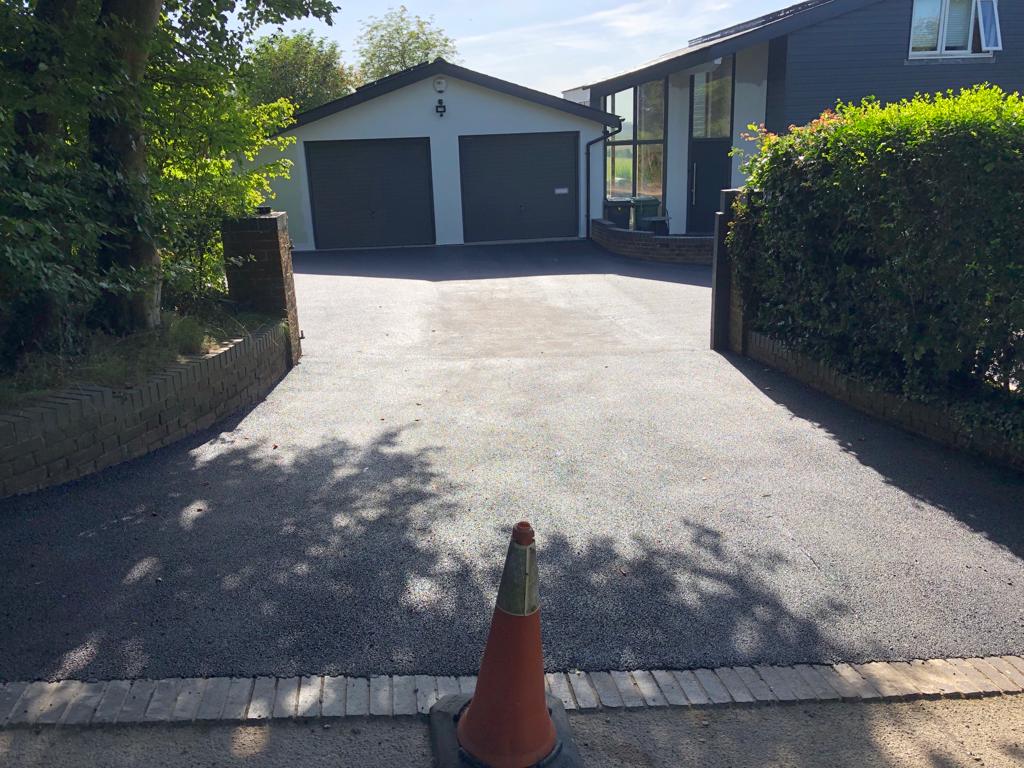
Understanding the differences between sealed and unsealed roads is essential for property owners, councils, and developers who need to make informed choices about access, safety, and long-term performance. At Gympie Surfacing Solutions, we specialise in providing high-quality asphalt and bitumen services across Gympie, QLD—helping clients select the most appropriate road surfacing for their needs.
Whether it’s a rural access road or a high-use internal driveway, the decision between sealed and unsealed options carries both practical and financial implications.
What Is a Sealed Road?
A sealed road has a finished surface layer made from bitumen or asphalt, creating a hard, smooth driving surface. These roads are designed to be weather-resistant, dust-free, and suitable for high traffic volumes. The sealing process involves compacting a gravel base and applying a sprayed bitumen binder and aggregate layer, or a fully asphalted finish.
Key characteristics of sealed roads:
- Smooth, hard-wearing surface
- Long-lasting with proper maintenance
- Excellent dust and erosion control
- Ideal for high-traffic or heavy-load areas
What Is an Unsealed Road?
An unsealed road is typically formed with compacted gravel or crushed rock without any bitumen or asphalt applied. These roads are more common in rural and low-traffic environments where full sealing may not be justified due to budget or limited usage.
Features of unsealed roads:
- Made from gravel, dirt, or crushed rock
- Subject to dust, washouts, and erosion
- Requires frequent grading and maintenance
- Lower initial construction cost
Gympie Surfacing Solutions works with landowners in Gympie, QLD to assess whether unsealed roads are suitable for their property or whether a sealed surface would provide better long-term results.
Performance and Durability
Sealed roads are significantly more durable than unsealed ones. They’re capable of withstanding daily traffic, rain, and sun exposure with minimal wear. Unsealed roads, on the other hand, degrade faster and require ongoing upkeep, particularly after heavy rainfall or during dry, dusty periods.
Sealed roads typically:
- Last 10–20 years with proper sealing and maintenance
- Withstand weather extremes with fewer failures
- Require less frequent intervention
Unsealed roads tend to:
- Erode quickly in wet conditions
- Generate dust and loose materials in dry weather
- Require grading, re-compacting, and gravel top-ups
Environmental and Health Considerations
Dust from unsealed roads can affect air quality, vehicle wear, and nearby vegetation. In contrast, sealed roads reduce particulate matter, making them more environmentally and health-friendly, especially in residential or high-use zones.
Unsealed surfaces can also lead to sediment runoff, which may impact water systems in areas with heavy rainfall or drainage issues—something Gympie landowners are often mindful of.
Cost Comparison
While unsealed roads are less expensive to install initially, they often incur higher maintenance costs over time. Sealed roads involve greater upfront investment but offer long-term savings and reduced disruption from maintenance work.
Cost factors to consider:
- Sealed roads: Higher upfront, lower lifetime maintenance
- Unsealed roads: Lower initial cost, but more frequent repair cycles
- Traffic volume: Heavier or more frequent traffic often justifies sealing
- Dust control: May require dust suppression products for unsealed roads
Safety and Usability
Sealed roads offer superior traction and visibility, which are critical for both residential and commercial use. Unsealed roads can become slippery or unstable during wet weather and may be more difficult to navigate for emergency services or delivery vehicles.
Sealed driveways and access roads in Gympie, QLD provide safer, more predictable performance year-round.
Conclusion
The decision between sealed and unsealed roads depends on factors such as usage, budget, environmental impact, and long-term planning. While unsealed roads may suffice for light rural access, sealed roads offer superior durability, safety, and reduced maintenance for most other applications.
If you’re evaluating your road or driveway surface in Gympie, QLD, reach out to Gympie Surfacing Solutions for expert advice and professional asphalt and bitumen services tailored to your site conditions. Let us help you find the most practical and cost-effective solution for your needs.
Call us on: 07 4158 7474
Click here to find out more about Gympie Surfacing Solutions
Click here to complete our contact form and see how we can help with your surfacing needs.