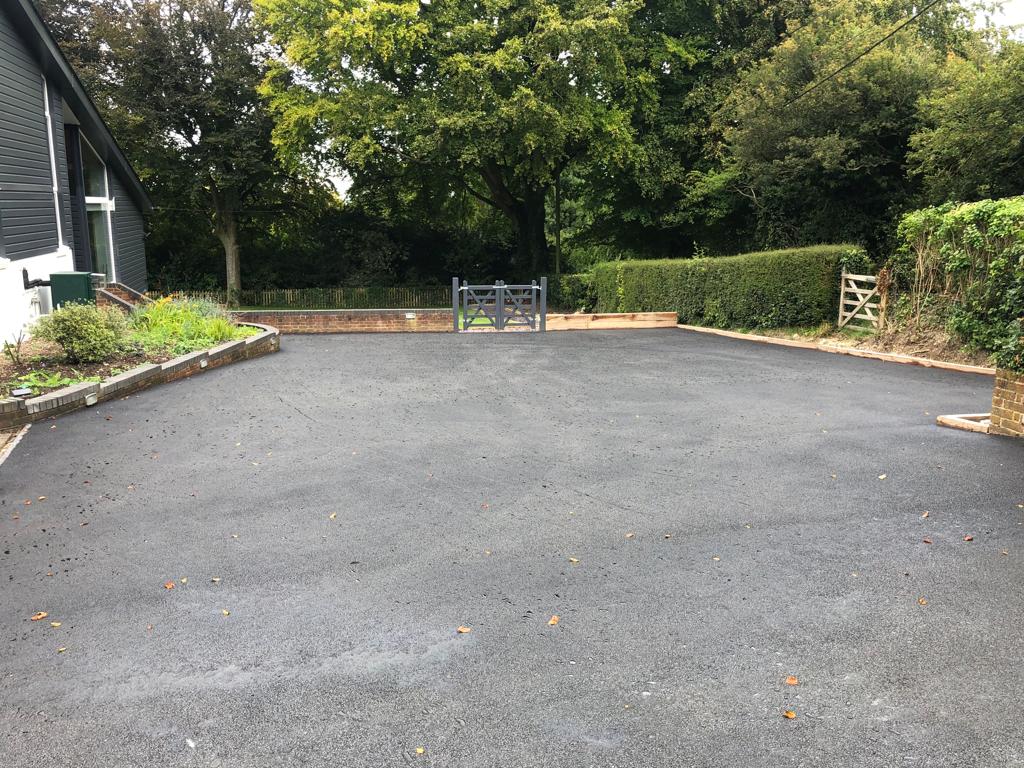
Not every outdoor surface is designed to withstand the demands of heavy vehicles, machinery, equipment storage or regular commercial activity. While a standard driveway or gravel area may be suitable for occasional vehicle access, properties with more demanding operational requirements often need a stronger and more carefully constructed surface.
A purpose-built hardstand provides a dedicated area for vehicle parking, equipment storage, loading, unloading and other activities that place significant pressure on the ground. Unlike a basic surface improvement, hardstand construction considers the weight of the intended loads, frequency of use, drainage and the strength of the supporting pavement.
For property owners, businesses and site operators in Gympie, QLD, understanding when a purpose-built hardstand is necessary can help prevent recurring surface damage and improve the functionality of outdoor working areas.
What Is a Purpose-Built Hardstand and When Is One Necessary?
A hardstand is a constructed, load-bearing surface designed to support vehicles, machinery, stored equipment or other operational activities. Depending on the intended application, it may be finished with asphalt, a suitable bituminous surface or another pavement system.
The defining characteristic of a purpose-built hardstand is that its construction is planned around the loads and activities it will accommodate.
A hardstand used for occasional vehicle parking may have different structural requirements from one supporting regularly loaded trucks, heavy machinery or stationary equipment.
The appropriate pavement design depends on the existing ground conditions, anticipated loading, traffic movements and drainage requirements.
1. When Heavy Vehicles Regularly Use the Property
One of the clearest indications that a property may need a purpose-built hardstand is regular heavy vehicle activity.
Large vehicles place substantial loads on the pavement, particularly where they repeatedly travel along the same routes or remain parked in one position.
If the supporting ground is unsuitable, these loads can cause:
- Deep wheel rutting
- Surface settlement
- Cracking
- Localised depressions
- Pavement deformation
- Pothole formation
A purpose-built hardstand can be constructed with appropriate supporting layers and surface materials to accommodate the expected vehicle loading.
The pavement should be designed for the vehicles that will actually use the area rather than simply being constructed to resemble a conventional driveway.
2. When Machinery Needs a Stable Parking or Operating Area
Properties that accommodate machinery often require more than a basic gravel surface.
Equipment may place concentrated loads on particular sections of the ground, especially when parked for extended periods.
Machinery movement can also create additional stresses through turning, braking and repeated positioning.
A properly constructed hardstand provides a designated area with a suitable supporting pavement and consistent surface levels.
This can help reduce problems associated with unstable ground, including settlement and material displacement.
However, the surface specification must reflect the machinery involved. Some equipment may require additional pavement strength or a different surface material because of concentrated loading or operational conditions.
3. When an Existing Gravel Area Is Becoming Uneven
Gravel areas can provide practical access and parking, but they may become increasingly difficult to maintain under frequent or demanding use.
Repeated vehicle movements can displace loose material, creating wheel tracks, corrugations and depressions.
Rainfall may also contribute to washouts and the movement of surface aggregate.
Signs that an existing gravel area may need upgrading include:
- Persistent wheel ruts
- Loose material spreading beyond the trafficable area
- Repeated pothole formation
- Soft sections after rainfall
- Uneven parking areas
- Ongoing surface deformation
- Water collecting in depressions
A purpose-built hardstand can provide a more stable and consistent surface, provided the underlying ground is properly assessed and prepared.
Simply applying asphalt or bitumen over unstable gravel will not correct the underlying problem.
4. When Loading and Unloading Activities Are Frequent
Loading and unloading areas experience different stresses from ordinary vehicle access routes.
Vehicles may remain stationary while carrying substantial loads, and repeated manoeuvring can concentrate pressure on particular sections.
Braking, reversing and turning can also place additional forces on the pavement surface.
A purpose-built hardstand allows these activities to be considered during construction.
Important factors include:
- Vehicle weight
- Frequency of loading
- Turning movements
- Stationary loading
- Surface stability
- Drainage
- Available manoeuvring space
These considerations help determine the appropriate pavement structure and finished surface.
5. When the Property Requires a Dedicated Storage Area
Outdoor storage areas may need a stable surface capable of supporting equipment, materials or parked vehicles.
The requirements depend on what will be stored and how the area will be used.
For example, a hardstand supporting regularly moved vehicles will experience different stresses from one accommodating stationary equipment.
A suitable surface can help establish a more organised and practical storage area while reducing problems associated with uneven or unstable ground.
However, the supporting pavement must be designed for the intended loads.
Concentrated loads from equipment supports, containers or other heavy items may require particular consideration.
6. When Surface Damage Keeps Returning
Repeated pavement failure can indicate that the existing area is not adequately constructed for its intended use.
A property may experience recurring potholes, rutting or settlement even after individual repairs have been completed.
This can happen when the underlying pavement lacks sufficient support or when drainage problems continue affecting the ground.
Warning signs include:
- Potholes repeatedly forming in the same locations
- Previous repairs beginning to sink
- Widespread cracking
- Deep wheel ruts
- Soft pavement sections
- Persistent surface movement
- Extensive deformation under vehicle loads
Where these problems are widespread, localised repairs may no longer provide an appropriate solution.
A purpose-built hardstand may be worth considering if the existing pavement structure is unsuitable for the property’s operational requirements.
7. When the Ground Becomes Unstable After Rainfall
Water can significantly affect the performance of an unsealed or inadequately constructed working area.
If rainfall enters the supporting ground and weakens the material, repeated vehicle loading may cause rutting and settlement.
Areas that become soft or difficult to use after wet weather may require more substantial pavement preparation.
A purpose-built hardstand can incorporate suitable ground preparation, pavement layers and drainage arrangements.
However, installing a sealed surface does not automatically resolve water-related problems.
The existing ground conditions and drainage must be assessed before construction.
8. When Vehicle Manoeuvring Requires a More Consistent Surface
Frequent turning, reversing and braking can place considerable stress on a pavement.
These movements are particularly important where heavier vehicles or machinery use the same area repeatedly.
Loose or poorly supported surfaces may develop rutting, material displacement and localised deformation.
A purpose-built hardstand can provide a more consistent trafficable area designed around the expected movements.
The layout should also allow vehicles to manoeuvre appropriately without repeatedly placing excessive loads on unsupported pavement edges.
What Is the Difference Between a Hardstand and a Standard Driveway?
A driveway primarily provides access to and from a property, although it may also accommodate parking.
A hardstand is generally intended to support a broader range of activities, potentially including heavier vehicle parking, machinery storage, loading and operational use.
The distinction is not simply the size of the surface.
A relatively small hardstand may require substantial pavement preparation if it supports concentrated loads.
Conversely, a larger area used for light vehicle parking may have different structural requirements.
The most important difference is that a purpose-built hardstand is designed according to its intended loading and operational demands.
Why Is Ground Preparation Important for Hardstand Construction?
The performance of a hardstand depends heavily on the ground and pavement layers underneath the finished surface.
Even a well-laid asphalt layer can deteriorate if the supporting materials are unstable.
Before construction, the existing ground should be assessed for:
- Soft or unsuitable material
- Existing settlement
- Moisture-related weakness
- Uneven levels
- Drainage problems
- Previous pavement failures
- Suitability for the expected loads
Preparation may involve removing unsuitable material, improving the supporting ground, installing appropriate pavement layers and compacting the materials.
The exact construction method depends on the site conditions and intended use.
How Does Grading Support a Stable Hardstand?
Grading helps establish the correct levels and profile before the pavement is constructed.
An uneven foundation can lead to inconsistent pavement thickness and poor surface drainage.
Professional grading prepares the area to accommodate the required pavement layers and finished surface levels.
It can also help establish appropriate falls so that rainfall moves towards suitable drainage points.
However, grading should not be confused with stabilising unsuitable ground.
If soft or weak material is present, additional preparation may be required before the pavement can be constructed.
Why Is Compaction Essential?
Compaction is one of the most important stages of hardstand construction.
The supporting materials need to be properly consolidated so they can distribute loads without excessive movement.
Inadequate compaction can contribute to settlement, rutting and cracking after the hardstand begins carrying traffic.
Correct compaction helps:
- Improve pavement stability
- Reduce unnecessary material movement
- Maintain surface levels
- Support repeated vehicle loading
- Limit localised settlement
- Provide consistent support for the finished surface
The compaction requirements should reflect the pavement materials and intended loading.
How Does Drainage Affect Hardstand Performance?
Drainage is particularly important for hardstands because large trafficable areas may receive substantial surface runoff.
If water continually collects in low points or enters the supporting pavement, it can contribute to deterioration.
A properly planned hardstand should consider how rainfall moves across the site and where it will drain.
Important considerations include:
- Finished surface falls
- Existing ground levels
- Low points
- Water flow around the property
- Drainage outlets
- Areas affected by previous water damage
- Adjacent surfaces and structures
Correct drainage planning helps reduce the likelihood of persistent ponding and moisture-related pavement problems.
Is Asphalt Suitable for a Purpose-Built Hardstand?
Asphalt can be a suitable hardstand surface where the pavement is designed and constructed for the intended use.
It provides a continuous, compacted wearing surface that can accommodate regular vehicle movement when supported by an appropriate pavement structure.
Asphalt may be considered for:
- Commercial parking areas
- Vehicle storage areas
- Access and manoeuvring spaces
- Equipment parking areas
- General operational hardstands
However, asphalt is not automatically suitable for every loading condition.
Very heavy stationary loads, concentrated equipment supports or certain operational activities may require a different pavement specification or surface material.
A professional assessment helps establish whether asphalt is appropriate.
Can Spray & Seal Bitumen Be Used for a Hardstand?
Spray & Seal bitumen may be suitable for certain hardstand applications, depending on the expected traffic and operational demands.
The process involves applying bituminous binder and aggregate to a properly prepared pavement.
This creates a sealed wearing surface over the supporting layers.
However, Spray & Seal has different characteristics from asphalt.
Areas experiencing frequent tight turning, heavy braking or concentrated loads may require particular consideration because of the stresses placed on the surface.
The decision should be based on the intended use rather than appearance alone.
When Should an Existing Hardstand Be Resurfaced?
An existing hardstand does not always need complete reconstruction when its surface begins deteriorating.
If the supporting pavement remains structurally sound, resurfacing may be appropriate.
Signs that resurfacing may be worth considering include:
- General asphalt ageing
- Widespread surface wear
- Minor cracking
- Aggregate loss
- Multiple previous repairs
- An increasingly rough surface
Before resurfacing, unstable sections, significant cracks and drainage problems should be assessed.
If the hardstand has developed deep rutting, extensive settlement or widespread structural failure, more substantial rehabilitation may be necessary.
When Is a New Hardstand Better Than Repeated Repairs?
Localised repairs can be effective when damage is limited and the surrounding pavement remains stable.
However, repeated failures across a large area may indicate that the existing construction is unsuitable.
For example, a gravel yard that continually develops deep ruts under heavy vehicles may require more than repeated grading and filling.
Similarly, an asphalt area with widespread structural cracking may need deeper pavement work rather than another surface layer.
A new purpose-built hardstand may be appropriate when the existing surface cannot reliably accommodate the intended use.
The decision should be based on pavement condition, traffic demands and the extent of deterioration.
What Should Be Considered Before Constructing a Hardstand?
Before proceeding with hardstand construction, property owners should establish how the area will be used.
Important questions include:
- What vehicles or machinery will use the surface?
- How frequently will the area carry traffic?
- Will heavy equipment remain parked in one position?
- Will loading and unloading take place?
- Are tight turning movements expected?
- Does the existing ground become soft after rainfall?
- Are there current drainage problems?
- Is the area large enough for the required vehicle movements?
- What type of finished surface is appropriate?
These considerations help ensure the proposed hardstand is designed for its actual purpose.
Why Professional Hardstand Construction Matters
Hardstand construction requires more than installing a layer of asphalt or bitumen.
The contractor needs to consider the relationship between the supporting ground, pavement materials, drainage and expected loads.
Professional construction involves selecting suitable preparation methods and ensuring that each pavement layer is installed appropriately.
This helps reduce the risk of problems such as settlement, rutting, cracking and premature surface deterioration.
For properties with demanding operational requirements, correct preparation is particularly important because surface-level repairs may not resolve weaknesses within the supporting pavement.
How Can You Maintain a Purpose-Built Hardstand?
Even a properly constructed hardstand requires ongoing maintenance.
Regular inspections can help identify defects before they develop into more extensive pavement problems.
Useful maintenance practices include:
- Monitoring cracks and surface wear
- Checking for depressions
- Identifying potholes early
- Inspecting frequently travelled wheel paths
- Maintaining drainage
- Monitoring areas carrying concentrated loads
- Addressing damaged pavement edges
- Arranging professional assessment when deterioration progresses
A planned maintenance approach can help preserve the surface and identify whether repairs or resurfacing may eventually be required.
Conclusion
A property may need a purpose-built hardstand when its existing surface can no longer provide suitable support for regular vehicle movements, heavy machinery, equipment storage or commercial activities.
Recurring potholes, deep rutting, unstable gravel, settlement and water-related deterioration can all indicate that the current pavement is not adequately constructed for its intended use.
A properly designed hardstand considers the expected loads, supporting ground, pavement construction, compaction and drainage. Asphalt and suitable bituminous surfacing systems can provide practical options, but the appropriate material and construction method depend on the individual site’s requirements.
For property owners and businesses in Gympie, QLD, Gympie Surfacing Solutions provides professional asphalt and bitumen surfacing services for hardstands and other trafficable areas. If your property requires a dedicated hardstand or an existing working area is showing signs of deterioration, contact our team to discuss your requirements and arrange a professional assessment.
Call us on: 07 4158 7474
Click here to find out more about Gympie Surfacing Solutions
Click here to complete our contact form and see how we can help with your surfacing needs.