When a road or paved access area begins to deteriorate, deciding how to restore it is not always straightforward. A few isolated potholes may only require targeted repairs, while widespread cracking, surface wear and recurring damage can indicate that a more comprehensive resurfacing solution is needed.
Choosing the right approach matters because pothole repair and road resurfacing solve different pavement problems. For property owners and businesses in Gympie, QLD, understanding the difference can help ensure deterioration is addressed properly rather than simply covering symptoms that are likely to return.
What Is Pothole Repair?
Pothole repair focuses on a specific damaged section of pavement. The deteriorated material is addressed and the affected area is restored so that it once again provides a stable, usable surface.
Potholes commonly develop when water enters cracks or weak areas in the pavement. Moisture can reduce the strength of the supporting layers, while repeated vehicle movements place additional stress on the weakened section. Eventually, surface material breaks away and a pothole forms.
Professional pothole repair is intended to restore these localised areas before the surrounding pavement deteriorates further.
When Is Pothole Repair Usually Appropriate?
Targeted pothole repairs can be suitable when most of the surrounding road remains in reasonable condition.
This may be the case when:
- There are only a small number of potholes
- Damage is confined to specific sections
- The surrounding pavement remains stable
- Widespread cracking is not present
- The overall road surface is still performing effectively
In these circumstances, repairing the damaged sections can restore functionality without treating areas of pavement that remain serviceable.
Why Simply Filling a Pothole May Not Solve the Problem
A pothole is sometimes the visible result of a deeper pavement issue.
If poor drainage, an unstable base or ongoing water penetration caused the original failure, filling the depression without addressing those factors can allow deterioration to return.
A professional assessment considers why the pothole formed in the first place. This is particularly important when potholes repeatedly develop in the same section of road.
What Is Road Resurfacing?
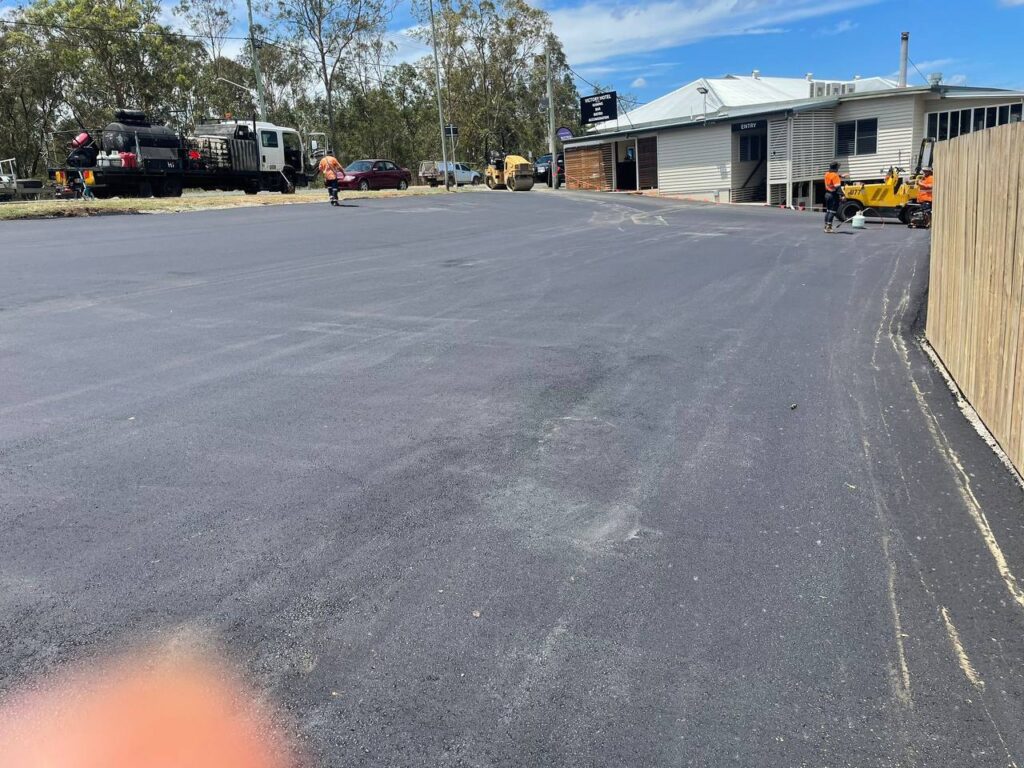
Road resurfacing is a broader pavement treatment used when deterioration extends beyond a few isolated areas.
Depending on the existing pavement and its condition, resurfacing generally involves preparing and repairing the existing road before installing a renewed asphalt or bitumen surface.
The purpose is to restore a larger area rather than repeatedly treating individual defects.
Resurfacing can improve:
- Surface consistency
- Driving quality
- Pavement protection
- Water resistance
- Overall appearance
- Long-term functionality
It can be an effective option where the pavement structure remains suitable but the wearing surface has deteriorated substantially.
Signs Road Resurfacing May Be More Appropriate
If defects are appearing across much of the road, repeatedly repairing individual potholes may not address the overall condition of the pavement.
Signs that resurfacing should be considered include:
Widespread Cracking
Numerous cracks across the pavement indicate that deterioration is no longer limited to one small area. Cracks also provide pathways for water to enter the pavement and accelerate further damage.
Multiple Potholes
When potholes are appearing throughout the road rather than in one isolated section, the overall wearing surface may be approaching the stage where broader treatment is required.
Extensive Surface Wear
Ravelled, weathered or heavily worn pavement can lose its ability to provide consistent protection to the structure beneath.
Rough Driving Conditions
A road that has become generally uneven, patched or uncomfortable to travel over may benefit from resurfacing rather than further isolated repairs.
Repairs Keep Reappearing
If repaired sections repeatedly deteriorate or new defects continue forming nearby, there may be a wider pavement issue that needs to be addressed.
The Condition Beneath the Surface Matters
Neither pothole repair nor resurfacing should be selected purely by looking at the visible surface.
The pavement base plays a critical role in supporting vehicle loads. If it remains structurally stable, targeted repairs or resurfacing may provide an effective solution.
However, extensive base failure can require more substantial rehabilitation before a new surface is applied.
Signs of possible underlying problems include:
- Deep rutting
- Significant settlement
- Soft pavement sections
- Severe deformation
- Recurring potholes
- Extensive interconnected cracking
Identifying these conditions before work begins helps prevent new surfacing from being placed over an unstable foundation.
Drainage Can Influence Which Solution You Need
Water is a major contributor to pothole development and pavement deterioration.
If water collects on the road or continually enters damaged sections, repairing or resurfacing the pavement without improving the cause of the moisture problem may result in further deterioration.
A professional assessment should consider surface levels, drainage paths and evidence of water penetration alongside the visible pavement damage.
Good drainage helps protect both repaired sections and newly resurfaced roads.
Pothole Repair Can Be Part of a Resurfacing Project
Pothole repair and resurfacing are not necessarily competing options. In some cases, both are required.
Before a deteriorated road is resurfaced, damaged areas may need to be repaired and stabilised. This creates a more suitable foundation for the new wearing surface.
A typical process may involve:
- Assessing the entire pavement.
- Identifying localised failures.
- Repairing potholes and unstable sections.
- Correcting relevant surface or drainage issues.
- Preparing the existing pavement.
- Applying the appropriate resurfacing treatment.
Addressing existing defects before resurfacing helps improve the performance of the finished pavement.
Repair the Damage or Treat the Whole Surface?
A useful way to think about the decision is to consider whether the problem is localised or widespread.
If one or two sections have deteriorated while the remainder of the pavement is sound, targeted pothole repair may be appropriate.
If deterioration is occurring across large areas, the issue is no longer simply a collection of individual potholes. Resurfacing may provide a more comprehensive way to restore the pavement.
The decision should ultimately be based on pavement condition rather than the number of repairs alone.
Why Timing Is Important
Road deterioration tends to progress rather than remain static.
A small crack can allow water into the pavement. The supporting material can then weaken, causing the surface to break apart under traffic. Once potholes develop, their edges may continue deteriorating and the damaged area can spread.
Responding while problems remain manageable gives property owners a wider range of maintenance and resurfacing options.
Waiting until widespread structural failure develops can significantly change the type of work required.
The Value of a Professional Pavement Assessment
It is not always possible to determine the correct treatment from surface appearance alone.
Experienced asphalt and bitumen contractors assess the road as a complete pavement system, considering:
- The number and severity of potholes
- Crack patterns
- Surface wear
- Rutting and deformation
- Base stability
- Drainage
- Expected vehicle traffic
This helps establish whether targeted repairs, resurfacing or more extensive pavement work will provide the most appropriate long-term result.
Conclusion
Pothole repair is generally most appropriate when damage is localised and the surrounding pavement remains in good condition. Road resurfacing becomes more relevant when cracking, potholes, surface wear and deterioration are widespread but the pavement still has a suitable underlying structure. Where significant base failure is present, further rehabilitation may be necessary before either approach can deliver lasting results.
For roads and paved access areas in Gympie, QLD, Gympie Surfacing Solutions provides professional pothole repairs, asphalt and bitumen resurfacing, and pavement assessments based on the actual condition of each surface. If you are unsure whether your road needs individual repairs or broader resurfacing, contact our team to arrange an assessment and determine the most suitable way to restore reliable long-term performance.
Call us on: 07 4158 7474
Click here to find out more about Gympie Surfacing Solutions
Click here to complete our contact form and see how we can help with your surfacing needs.