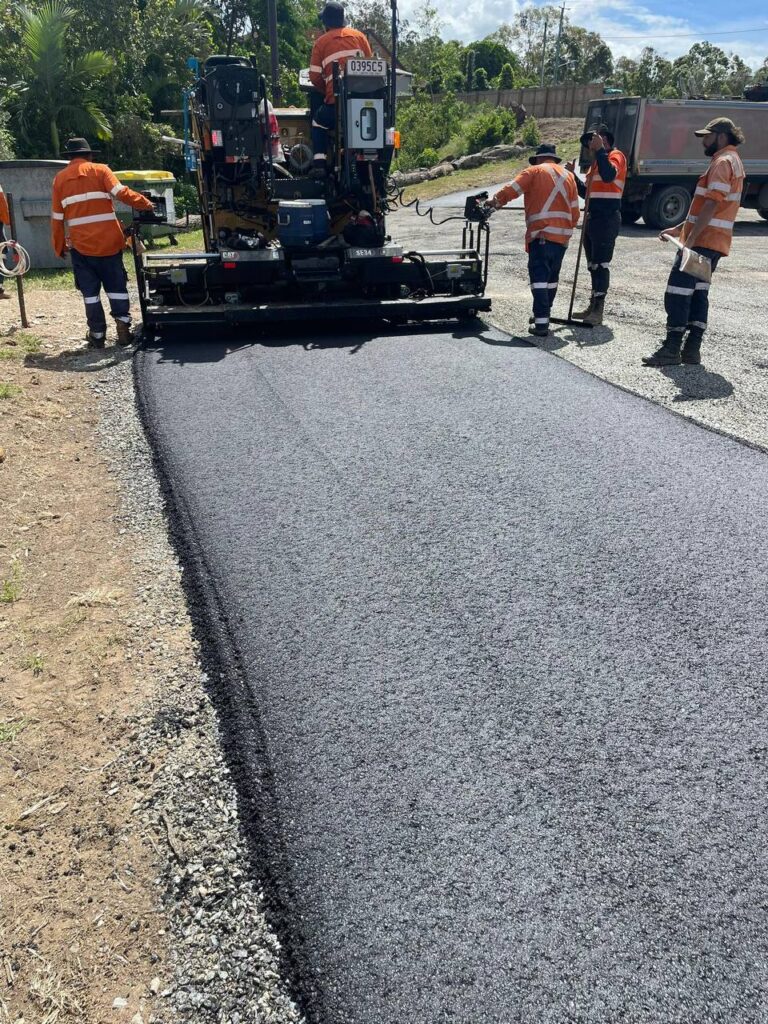
For properties that regularly accommodate vehicles, machinery, stored materials or day-to-day operational activity, the ground surface needs to do more than simply provide access. It must remain stable, usable and capable of supporting the demands placed upon it. This is where a properly constructed hardstand can be particularly valuable.
Hardstands are commonly associated with commercial, industrial, agricultural and operational properties, but the term can cover a variety of purpose-built surfaces. For property owners and businesses in Gympie, QLD, understanding what a hardstand is and how it is constructed can help when planning a more dependable area for vehicles, equipment or regular site use.
What Is a Hardstand?
A hardstand is a prepared, load-bearing area designed to provide a firm and stable surface for activities such as vehicle parking, equipment storage, loading, unloading and general site operations.
Unlike an untreated or lightly prepared area of ground, a hardstand is constructed with the intended use of the site in mind. This generally involves preparing and compacting the underlying pavement layers before applying an appropriate finished surface.
Depending on the application, asphalt or bitumen surfacing can be used to create a sealed hardstand that offers reliable all-weather access and a cleaner working environment.
What Makes a Hardstand Different From an Ordinary Paved Area?
The main difference is its intended function.
A standard paved area might primarily accommodate normal vehicle or pedestrian movements. A hardstand is typically designed for more demanding or concentrated use, such as regular vehicle movements, parked machinery or operational activities.
The complete pavement structure therefore matters. Contractors need to consider what will use the hardstand, how frequently it will be used and where the greatest loads or vehicle movements will occur.
Simply placing a surface layer over unsuitable ground does not create a reliable hardstand.
Where Are Hardstands Commonly Used?
Hardstands can serve many purposes because they can be designed around the particular requirements of a property.
Commercial Properties
Businesses may use hardstands for vehicle parking, deliveries, equipment areas, storage or general operational space.
Creating a defined sealed area can make vehicle movements more organised while providing a consistent surface for everyday activities. This can be especially useful where an unsealed area has become difficult to use because of dust, loose material, rutting or wet-weather conditions.
Industrial and Operational Sites
Sites involving frequent vehicle and equipment movements often need substantial areas of dependable pavement.
Hardstands can provide space for trucks, machinery, materials and operational activities while connecting different sections of a property. Correct pavement construction becomes particularly important where heavier vehicles regularly use or remain stationary on the surface.
Storage Areas
A hardstand can provide a stable location for equipment, materials, trailers and other items that should not be placed directly on soft or uneven ground.
A sealed surface can also create a cleaner environment around stored items and make the area easier for vehicles and equipment to access.
Loading and Unloading Areas
Loading areas experience concentrated activity as vehicles stop, manoeuvre and move repeatedly through the same sections.
A properly designed hardstand provides a stable surface for these operations. Contractors can consider vehicle weights, turning movements and traffic patterns when preparing the pavement so that the completed area is appropriate for its intended use.
Vehicle and Machinery Parking
Parking heavy vehicles or machinery on inadequately prepared ground can lead to depressions, rutting and unstable areas, particularly where the same positions are used repeatedly.
A hardstand distributes loads through a properly prepared pavement structure, providing more dependable support than untreated ground.
Why Use Asphalt or Bitumen for a Hardstand?
Asphalt and bitumen treatments can provide several practical advantages when they are appropriate for the site’s requirements.
A sealed hardstand can reduce loose material and dust while creating a more consistent surface for vehicle movements. It can also protect the prepared pavement underneath from direct exposure to traffic and water entering from above.
Asphalt is particularly useful where a smooth, dense finished surface is required. Spray & seal bitumen may be suitable for certain hardstand applications where its particular surface characteristics match the intended traffic and use.
The appropriate treatment should be selected after considering the whole site rather than assuming one surface suits every hardstand.
The Base Is Critical to Hardstand Performance
Much of a hardstand’s strength comes from the pavement structure beneath the visible surface.
If the base is too weak for the loads being applied, movement can eventually appear above as cracking, rutting, depressions or other deterioration. This is why professional hardstand construction begins with appropriate site preparation.
The ground may need to be shaped before suitable pavement materials are placed and compacted. The required preparation depends on existing ground conditions and how the finished area will be used.
For hardstands in Gympie, QLD, taking the time to prepare the underlying structure properly can make a significant difference to long-term performance.
Grading and Drainage Need Careful Planning
A large, flat-looking surface still needs somewhere for rainfall to go.
Professional grading establishes controlled falls that encourage water to drain away rather than collecting across the hardstand. Drainage should also prevent water from unnecessarily saturating the pavement edges or supporting layers.
Persistent pooling can affect usability and, where moisture reaches vulnerable pavement layers, contribute to deterioration.
Drainage planning should therefore form part of the hardstand design from the beginning rather than being addressed only after problems appear.
Hardstands Can Improve Site Efficiency
A well-planned hardstand can make a property easier to use.
Vehicles can have clearly defined areas for parking or manoeuvring, equipment can be positioned on stable ground, and loading activities can take place on a consistent surface. Reducing mud, loose gravel and uneven ground can also make regular movements around the site more predictable.
For a business, these practical improvements can support smoother everyday operations without unnecessarily complicating the site.
Matching the Hardstand to Its Intended Use
There is no single hardstand specification that is suitable for every property.
Before construction begins, it is useful to consider:
- The types of vehicles and machinery using the area
- Expected vehicle weights
- How frequently the hardstand will be used
- Parking and storage requirements
- Turning and manoeuvring areas
- Existing ground conditions
- Drainage and water movement
- The most appropriate finished surface
These details help contractors design the pavement around what the hardstand actually needs to do.
Why Professional Construction Matters
A hardstand may look straightforward once completed, but its performance depends on decisions made throughout the construction process.
Site preparation, grading, drainage, pavement depth, compaction and surfacing all need to work together. Shortcomings beneath the surface may not be immediately visible, but they can eventually lead to movement and premature deterioration.
Professional contractors can assess the site and recommend a construction approach appropriate for its expected use rather than simply creating a sealed area without considering the loads it will carry.
Conclusion
A hardstand is a purpose-built, load-bearing surface designed to provide stable space for vehicles, machinery, storage, loading activities and other operational requirements. Hardstands are commonly used across commercial, industrial, storage and vehicle-access areas where untreated ground would not provide the required level of reliability.
The quality of a hardstand depends on much more than its visible asphalt or bitumen finish. A suitable pavement base, correct compaction, effective grading, good drainage and a surface selected for the intended use all contribute to long-term performance.
For property owners and businesses in Gympie, QLD, Gympie Surfacing Solutions provides professional asphalt and bitumen surfacing for hardstands and other trafficable areas. If you are considering a new hardstand or upgrading an existing operational surface, contact our team to discuss a practical solution suited to how your site will be used.
Call us on: 07 4158 7474
Click here to find out more about Gympie Surfacing Solutions
Click here to complete our contact form and see how we can help with your surfacing needs.